I married a dying man because it was his final wish. After his funeral, his lawyer came to my door and said, “He made me wait until today to tell you who he really was.”
Three times a week, I volunteered with a local hospice support program, helping elderly and seriously ill patients with meals, housework, or simple companionship.

A few months ago, I was assigned to a new patient named Carl. He was about forty, had stage four cancer, and lived entirely alone.
Carl was gentle, thoughtful, and easy to talk to. We quickly became close friends. I brought him food, cleaned his house, and spent quiet afternoons playing board games with him over tea.
Then one day, Carl looked at me seriously.
“Marry me,” he said. “I know how strange that sounds, but I want to die knowing I wasn’t completely alone.”
I was stunned.
“Carl, we haven’t known each other very long.”
“I know,” he replied. “But it was long enough for me to understand what kind of person you are. This is the one thing I want before I die.”
I agreed.
I could not fully explain my decision, but I felt a connection between us that seemed deeper than friendship.
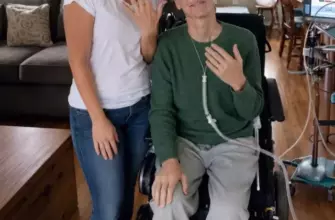
The following day, a priest came to Carl’s home. I wore a plain white T-shirt because it was the only white clothing I owned. There were no guests, flowers, or music. We simply stood together in his living room and became husband and wife.
Carl looked happier than I had ever seen him.
Ten days later, he died.
I genuinely grieved for him.
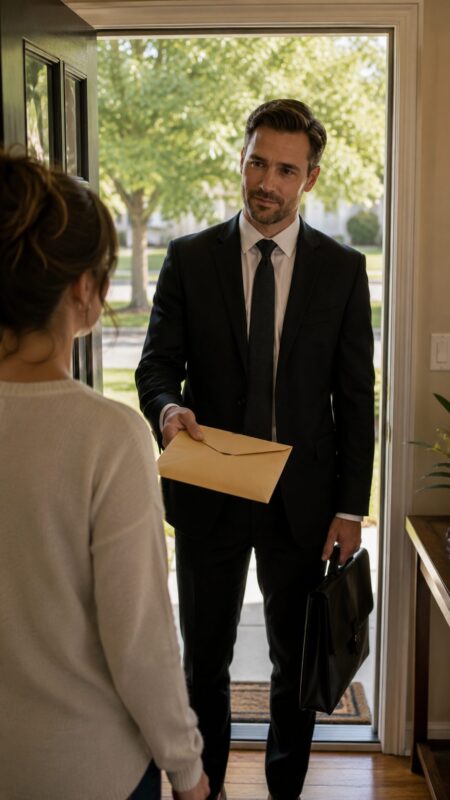
After the funeral, I was sitting alone at home when someone knocked on the door. A formally dressed man introduced himself as Carl’s lawyer.
“Carl instructed me to wait until today before telling you the truth about who he really was,” he said.
He handed me a sealed envelope and explained that the letter inside would answer every question.
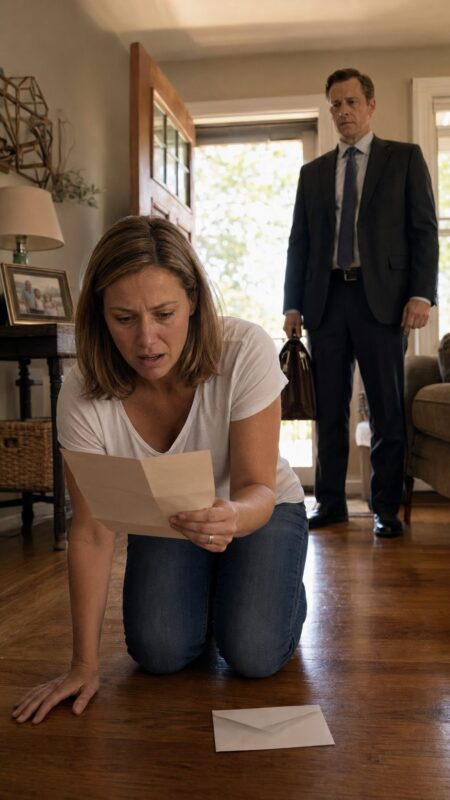
My hands trembled as I unfolded it and read the first line:
“Our meeting was NOT an accident. I’ve known you your entire life and quietly watched over you.”
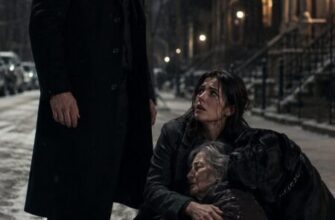
But when I read the SECOND LINE, my legs gave out, and I collapsed to the floor.
Read the rest of this story in 1st comment⬇️
“I was the man your father died saving twenty-seven years ago.”
For several seconds, I could not breathe.
My father had been a firefighter. He died when I was three, trapped inside a warehouse after carrying an injured stranger to safety. My mother never knew the survivor’s name.
Carl had been that stranger.
The letter explained that he had spent years trying to repay a debt that could never truly be repaid. After my mother died, anonymous checks had covered our overdue rent. A “community scholarship” had paid my university tuition. Even the hospice program where I volunteered had received a large donation shortly before I joined.
None of it had been accidental.
Carl had followed my life from a respectful distance, afraid that revealing himself would burden me with his guilt. He never expected to meet me personally. But after his diagnosis, he arranged to enter the hospice program where I volunteered, hoping only to see the person my father’s sacrifice had allowed him to protect.
Then the letter revealed another truth.
Carl was not poor.
He had built a medical technology company and sold it years earlier for millions. He had no spouse, children, or relatives he trusted. His distant family had already begun arguing over his estate while he was still alive.
“I asked you to marry me because I was lonely,” he wrote, “but also because marriage was the only way to ensure that what I leave behind reaches the person I believe deserves it most.”
The lawyer helped me into a chair and opened a second envelope. Carl had left me his home, his investments, and a foundation worth several million dollars. But there was one condition: I had to continue the work that had brought us together.
The foundation would fund hospice care for patients without families and support the children of firefighters killed in the line of duty.
I cried until there were no tears left.
Months later, I reopened Carl’s house as a small hospice residence. In the living room, I placed the board game we had played on our final afternoon beside a photograph of my father.
Carl had not married me merely so he could avoid dying alone.
He had spent his final days returning a life once given to him—and ensuring that my father’s sacrifice would continue saving others long after both men were gone.